

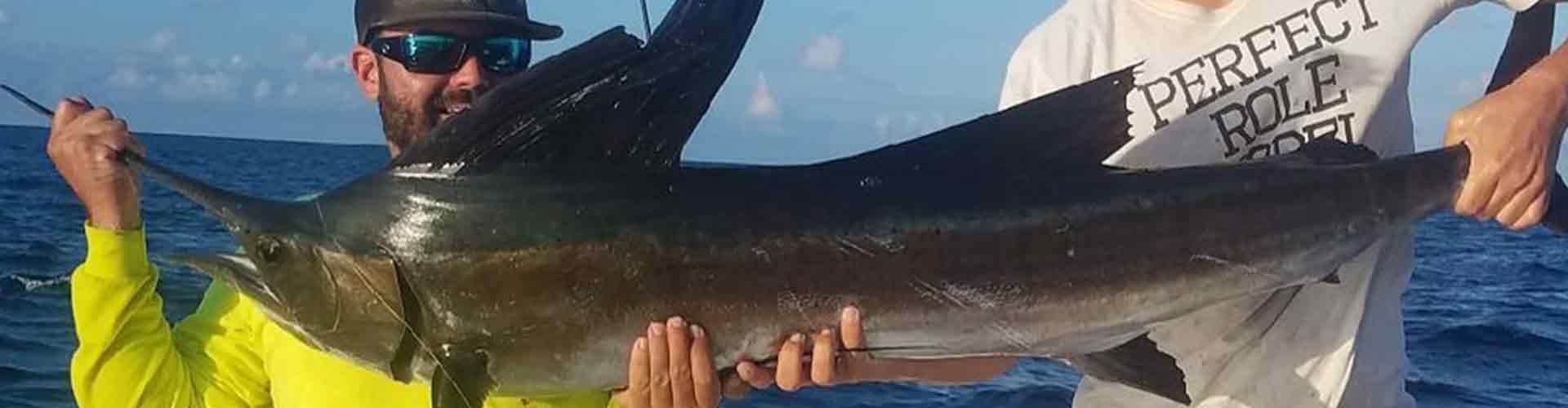
Tips for First-Time Anglers Looking to Hook Tarpon in Key West
Tarpon show up in plain sight around Key West. Bridges, channels, and flats all hold fish that are ready to eat. The best bites happen where water moves and bait piles up. Focus on these areas and you’ll get your shot, even if you’re new to the game.
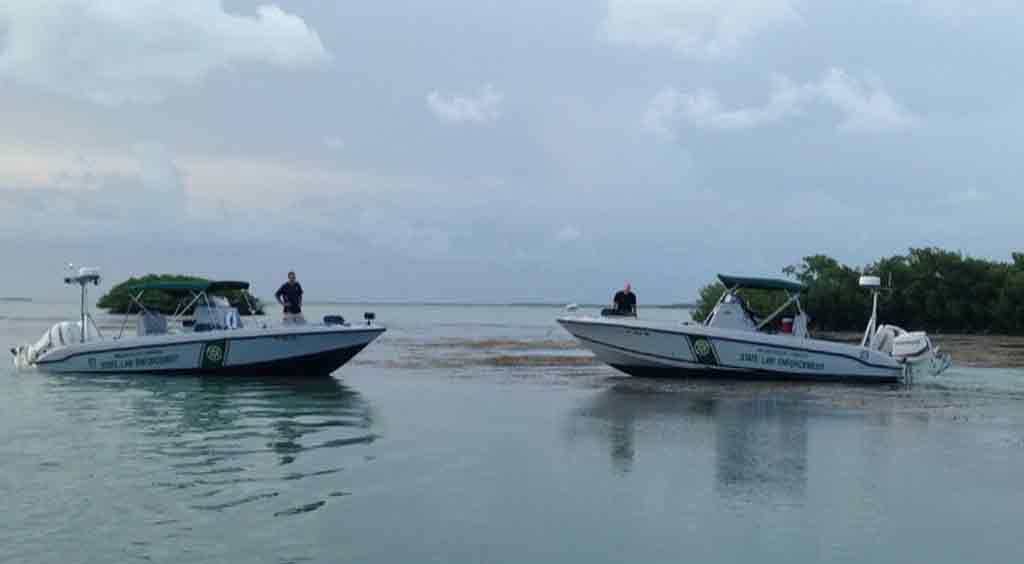
- Bridges and Channels. The Seven Mile Bridge and the deep cuts around Key West draw tarpon at dawn and dusk. Fish stack up where the water funnels and baitfish get swept along.
- Backcountry Flats. North of the island, shallow flats turn glassy at sunrise. Tarpon roll and gulp air, giving away their position. Sight fishing here tests your nerves and your casting.
- Harbor Edges. Key West Harbor and the marinas hold big fish, especially during the migration. Tarpon cruise the drop-offs, waiting for an easy meal.
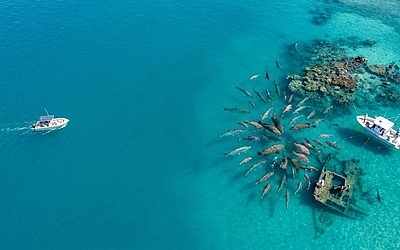
- Wrecks and Reefs. Old wrecks and patch reefs become feeding stations. Baitfish gather, and tarpon follow. Anchoring up and drifting baits through these areas often triggers a strike.
- Migration Routes. From April through July, schools of tarpon move along the coast. Watch for rolling fish and nervous bait. The action can be fast and furious when a school moves through.
Local knowledge always gives an edge. The top 5 fishing spots in Key West highlight why these waters keep drawing anglers back year after year.
Bait That Delivers
Tarpon don’t waste energy on the wrong meal. The right bait makes all the difference. Some days, they want a live mullet kicking in the current. Other days, a drifting crab gets hammered before it settles. The best crews never show up with just one option, and we always make sure our guests have a variety of proven baits ready to go.
- Live Mullet. Big, lively, and irresistible. Drift them near bridges or deep channels and hang on.
- Crabs. Pass crabs, especially during the migration, get inhaled. Drift them naturally with the current for the best shot.
- Pinfish. Tough and active, pinfish stay alive longer and draw attention from cruising tarpon.
- Artificial Lures. Swimbaits and soft plastics shine when fish are aggressive. Cast, retrieve, and be ready for a sudden hit.
- Threadfin Herring. Shiny and flashy, these baitfish stand out in clear water and pull in curious tarpon.
No single bait works every day. Conditions change, and so do the fish. The fishing charters in Key West page breaks down what’s working now and how to rig each bait for the best results.
Tide Timing
Tarpon feed when the water moves. Slack tide? The action slows. As soon as the tide turns, bait stirs and tarpon wake up. The first few hours of an incoming or outgoing tide often produce the best bites. Patience pays off, but timing matters more than luck.
A missed tide window means fewer shots at fish. The tips for a successful Key West fishing charter article breaks down the best times to be on the water and how to plan your trip around the tides.
Setting the Hook
Tarpon don’t give up hooks easily. Their mouths are hard as concrete. A soft hookset won’t cut it. When the bite comes, wait for the weight. Feel the fish turn, then drive the hook home with a steady, powerful pull. Jerking too soon pulls the bait free. Rushing the set means a missed fish and a lost chance.
This move separates the lucky from the experienced. For more on technique, our beginner’s guide to Key West fishing covers the basics and helps new anglers build confidence.
Fighting and Landing Tarpon
The first jump from a hooked tarpon shakes every angler. These fish don’t just run. They leap, twist, and throw their heads. Keeping a tarpon on the line takes more than muscle. It’s a test of patience and teamwork, and our guides are right there to coach you through every wild moment.
- Rod Tip Up. Absorb the jumps and head head shakes. A high rod cushions the shock and keeps the line tight.
- Stay Calm. Let the fish run. Don’t panic. Rushing the fight leads to pulled hooks and heartbreak.
- Steady Pressure. Pump and reel. Don’t try to win with brute force. Tarpon wear down slowly.
- Watch for Jumps. When the fish leaps, lower the rod tip. Keep the line tight and avoid slack.
- Listen to the Guide. Experience counts. A good guide talks you through the wildest moments and helps land the fish safely.
Landing a tarpon is never a solo act. The Key West fishing charter photo gallery shows what real battles look like. Big fish, big smiles, and memories that last.
Handling Tarpon with Care
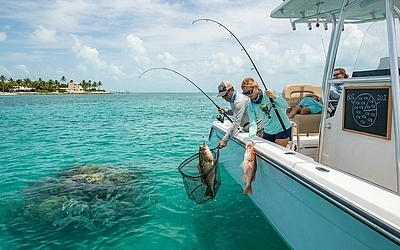
Tarpon fight hard, but they need help after the battle. Circle hooks reduce injury. Keeping the fish in the water protects their slime coat and gills. Quick photos, gentle handling, and a careful release let these giants swim away strong. Every healthy release means more fish for the next trip, and at Reel Fresh Fishing, we make conservation a priority on every charter.
Responsible anglers protect the future of the fishery. Our family-friendly Key West charters share tips on safe handling and why it matters for everyone who loves the sport.
Book Your Tarpon Charter in Key West Now
Ready to chase tarpon in the Florida Keys? Call Reel Fresh Fishing at 305-849-3098 or contact us to plan your trip. Our crew knows the best spots, the right bait, and how to make your first tarpon catch one to remember.
‹ Back
Recent Posts
-
How Much Does It Cost to Go Fishing in Key West for 4 Hours?
September 25, 2026
-

How Much Do You Tip for a 6 Hour Fishing Charter in Key West?
September 11, 2026
-
How Much Does a Fishing Charter Cost in the Keys?
August 28, 2026
-
What Is the 80/20 Rule in Fishing in Key West?
August 14, 2026
-
What Is the 90/10 Rule in Key West Fishing?
July 31, 2026