

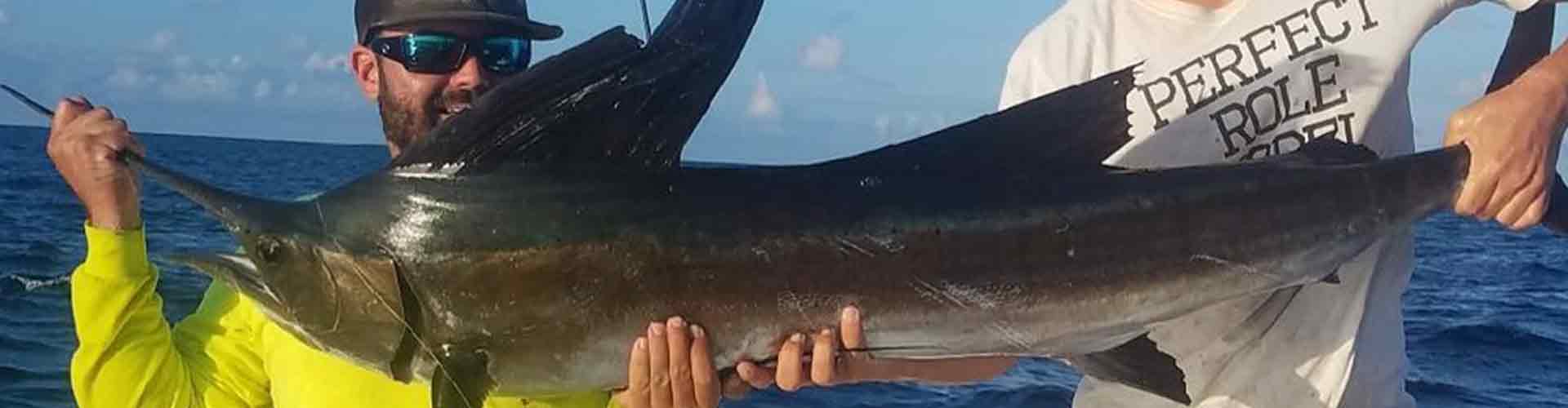
Can You Catch Wahoo on a Key West Fishing Charter?
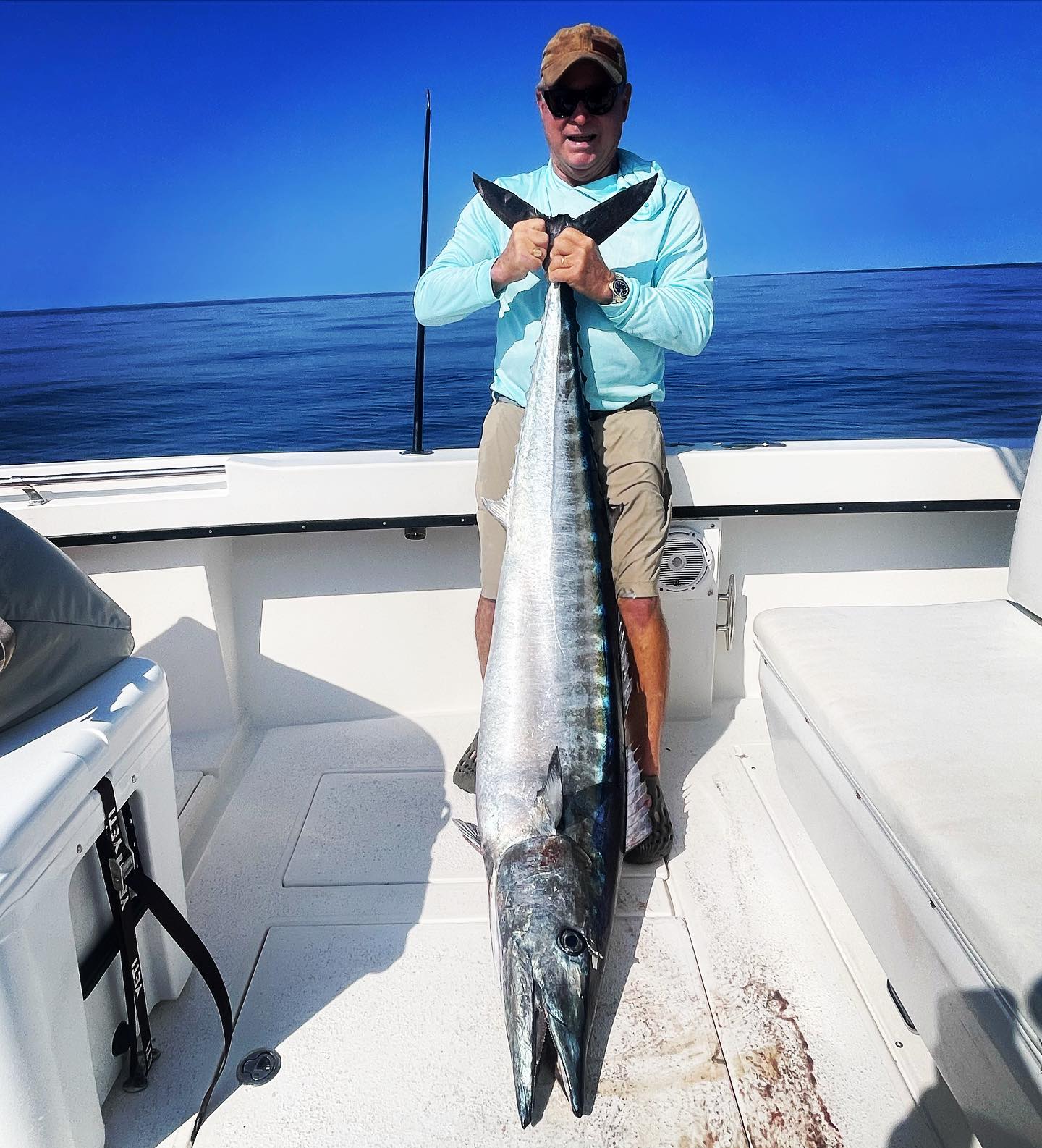
Wahoo aren't just catchable in Key West—they're one of the reasons serious anglers keep coming back. These fish hit like freight trains and run like nothing else in the water. Speed, power, sharp teeth, and flesh that makes for some of the best eating you'll find offshore. If you're wondering whether a charter out of Key West can put you on wahoo, the answer is yes. But only if you're fishing the right months, in the right zones, with captains who know how to chase them down.
Key West sits where the Gulf meets the Atlantic, and that convergence pulls in pelagic species year-round. Wahoo are part of that mix. They're unpredictable, they're fast, and they don't hang around waiting to be caught. You'll need a boat that can cover water, gear that can handle the abuse, and a crew that knows what they're doing when the line starts screaming.
When the Bite Turns On
Wahoo can show up any time of year, but the cooler months—November through March—are when the action gets consistent. That's when they move closer to the reef lines and offshore structure, following baitfish and taking advantage of temperature breaks. Water temps drop just enough to concentrate prey, and wahoo capitalize on that window.
Most charters run eight to twenty miles out, trolling along drop-offs and the edge of the continental shelf. These aren't inshore targets. You're heading into deep blue water where the bottom falls away fast and the current brings everything together. That's where wahoo hunt, and that's where you need to be if you want a shot at hooking one.
High-Speed Trolling Gets Results
The standard play for wahoo is trolling at speed—twelve to eighteen knots. Fast-moving lures trigger their strike reflex. Skirted ballyhoo, jet heads, and deep-diving plugs all work when rigged correctly. Wire leaders are non-negotiable. Wahoo have teeth that'll slice through mono or fluoro in a heartbeat, and losing a fish to a cut-off is avoidable if you rig smart.
Some crews use downriggers or planers to get lures deeper in the water column, especially when wahoo are holding below the surface. Live bait and vertical jigging can produce too, particularly around floating debris or when marks show up on the sounder. The method changes based on conditions, but the goal stays the same—getting something in front of a fish that's wired to attack.
What a Charter Day Looks Like
Book a wahoo trip and you're starting early. The boat leaves the dock while it's still dark, running offshore to hit the fishing grounds at first light. Once you're in position, the crew sets a spread of lures and the trolling begins. It's not passive fishing. Everyone stays ready because when a wahoo hits, it happens fast.
The strike is violent. Line peels off the reel in seconds, and the fish runs hard in multiple directions. You're fighting speed and power, and if you're not locked in with proper technique, that fish is gone. The crew will coach you through it, but the battle is yours. Land it, and you've earned something worth remembering.
Gear and Setup Matter
Most charters provide everything you'll need, but it helps to understand what's in play. Here's what separates a successful wahoo setup from a blown opportunity:
- Heavy-duty rods and reels built to handle high-speed trolling and explosive runs
- Wire leaders that won't get sliced through on the strike
- Lures rigged to run true at speed without tumbling or fouling
- Sharp hooks that penetrate fast when the fish commits
- Drag systems set correctly to absorb the initial run without breaking off
What the Crew Brings to the Table
The captain and crew aren't just steering the boat. They're reading water, watching temperature breaks, tracking bait, and adjusting the spread based on what's working. Their experience is the difference between a slow day and one where you're hooked up multiple times.
They know which lures produce, how to position them in the spread, and when to change tactics if the bite slows. They'll also handle the gaff, the wire, and the chaos that comes with a hot wahoo at boatside. Trust their calls. They've done this hundreds of times, and they want you on fish as much as you do.
Mistakes That Cost You Fish
Wahoo fishing isn't complicated, but small errors add up fast. Here's where anglers lose fish they should have landed:
- Not staying alert during the troll—wahoo strikes happen in an instant, and a delayed reaction means a missed hookset
- Using leaders that aren't heavy enough or long enough to handle the fish's teeth and head shakes
- Setting the drag too tight, which results in broken line on the first run
- Trying to muscle the fish instead of letting the rod and reel do the work
- Not following the crew's instructions during the fight or at boatside
Handling and Regulations
Wahoo are excellent table fare, and most anglers keep what they catch within legal limits. Key West charters follow Florida Fish and Wildlife regulations, which include size and bag limits designed to keep the fishery healthy. If you're targeting trophy-sized fish, consider catch and release. Smaller wahoo—those in the 30- to 50-pound range—are typically better eating anyway.
Proper fish handling matters. Wahoo should be bled and iced quickly to preserve meat quality. The crew will take care of that if you're keeping the catch. If you're releasing, they'll work fast to minimize stress and get the fish back in the water in good condition.
Why Key West Delivers
Location drives everything. Key West's offshore waters are rich, diverse, and positioned perfectly for migratory pelagics like wahoo. The reef systems, deep drop-offs, and current lines create a conveyor belt of baitfish, and predators follow. Add in experienced charter operators who run these waters daily, and you've got a recipe for consistent action.
You're not just paying for a boat ride. You're paying for knowledge, access, and gear that's dialed in for the species you're targeting. The difference between a DIY trip and a guided charter is usually measured in hookups, not just effort. Wahoo don't give second chances, and having a pro crew puts the odds in your favor.
What You Should Bring
Charters cover the fishing gear, but there's a short list of essentials you'll want on board:
- Sunscreen and polarized sunglasses—offshore sun is relentless
- A hat with a chin strap so it doesn't blow off
- Non-slip shoes with good grip for wet decks
- Seasickness medication if you're prone to it
- A cooler if you're planning to take fish home
Booking the Right Charter
Not every charter in Key West runs the same program. Some focus on reef fishing or inshore species, while others specialize in offshore pelagics. If wahoo is the target, confirm that the captain has experience chasing them and that the boat is equipped for high-speed trolling in open water.
Ask about recent catches, the typical run to the fishing grounds, and what the crew provides in terms of tackle and terminal gear. A good charter will be upfront about what's realistic based on the season and current conditions. They're not in the business of overpromising—they're in the business of putting you on fish. For insights on what to expect, check out what an offshore fishing trip in Key West is really like and learn how to choose a fishing charter in Key West. You can also review tips for a successful Key West fishing charter to make sure you're fully prepared.
Run With What Works
Wahoo are out there, and Key West charters know how to find them. You'll cover miles of water, troll fast, and stay ready for a strike that hits harder than most fish you've fought. The captains have the knowledge, the boats have the range, and the waters hold the fish. Show up prepared, listen to the crew, and you'll have a legitimate shot at landing one of the ocean's most explosive game fish. That's not luck—that's fishing done right.
Ready to Chase Wahoo?
We know the thrill of a wahoo strike and the satisfaction of landing one in Key West’s legendary waters. Let’s make your next fishing trip one to remember—reach out to us at 305-849-3098 and let’s get you on the bite. If you’re ready to lock in your adventure, book now and we’ll handle the rest.
‹ Back
Recent Posts
-
Can You Catch Wahoo on a Key West Fishing Charter?
November 25, 2026
-
Where Do Key West Fishing Charters Go Offshore?
November 11, 2026
-
Planning Your First Key West Fishing Charter? Here's What to Expect
October 28, 2026
-
How Long Should a Key West Fishing Charter Be?
October 14, 2026
-
How Much Does It Cost to Go Fishing in Key West for 4 Hours?
September 25, 2026