

Planning Your First Key West Fishing Charter? Here's What to Expect
Most first-timers think booking a fishing charter is just about showing up and casting a line. But if that's your whole plan, you're leaving a lot to chance. Key West waters are world-class — but only if you know what you're walking into. The right charter can turn your trip into a story you'll tell for years. The wrong one? That's a sunburn and a few hours of disappointment you won't get back.
So here's what matters. Understand what you're booking, what you need to bring, and what the day actually looks like once you're offshore. The captains know their stuff, but they can't read minds. If you show up prepared and clear about what you want, you'll get a lot more out of the experience than someone who just hoped for the best.
Picking the Charter That Fits
Not all charters are built the same. Some focus on deep-sea trophy hunts. Others stay inshore and target lighter action on the flats. You've got half-day trips, full-day runs, private boats, and shared outings. What works for a bachelor party won't work for a family with kids who've never held a rod.
Start by deciding what kind of fish you're after and how much time you've got. Tarpon season hits different than snapper season. Reef fishing is closer to shore and easier on the stomach. Deep-sea trips go farther out and can get rougher. Read reviews, call the captain directly, and ask about the boat size, gear quality, and what's actually included in the price. If they're vague or pushy, keep looking.
- Half-day trips work if you're short on time or testing the waters with kids
- Full-day charters give you more range and better odds at bigger catches
- Private boats mean you control the pace and the target species
- Shared trips are cheaper but you're fishing someone else's agenda
- Inshore vs offshore matters for comfort, travel time, and what bites
What You Actually Need to Pack
The boat will have rods, reels, bait, and tackle. That's covered. But plenty of people show up underprepared for the sun, the wind, and the hours on deck. We're talking about open water in South Florida — shade is limited and the UV doesn't mess around.
Bring high-SPF sunscreen and reapply it. Polarized sunglasses cut the glare and help you spot fish. A wide-brim hat keeps your face and neck safe. Lightweight long sleeves beat a tank top by the third hour. Pack water, snacks, and any meds you might need. Some charters stock coolers with drinks, but don't assume. And if you want photos of your catch, bring a waterproof phone case or a camera you don't mind getting wet.
- Sunscreen that's reef-safe and sweat-resistant
- Polarized sunglasses to cut glare and see below the surface
- Hat with a strap so it doesn't blow off at speed
- Non-slip shoes or sandals with a back strap
- Snacks and water, even if the crew says they've got it covered
How the Day Breaks Down
You'll meet the crew early — often before sunrise. That's when the fish are most active and the water's calmest. After a quick safety rundown and intro to the boat, you're headed out. Depending on what you booked, that could be a twenty-minute ride or an hour-plus run to deeper water.
Once you're on the fishing grounds, the captain will set up the lines and walk you through the technique. If you've never fished before, they'll show you how to hold the rod, feel a bite, and reel without tangling the line. If you're experienced, speak up — they'll adjust the approach. The crew handles most of the grunt work: baiting, rigging, netting, and untangling. Your job is to enjoy it and follow their lead.
What Bites in These Waters
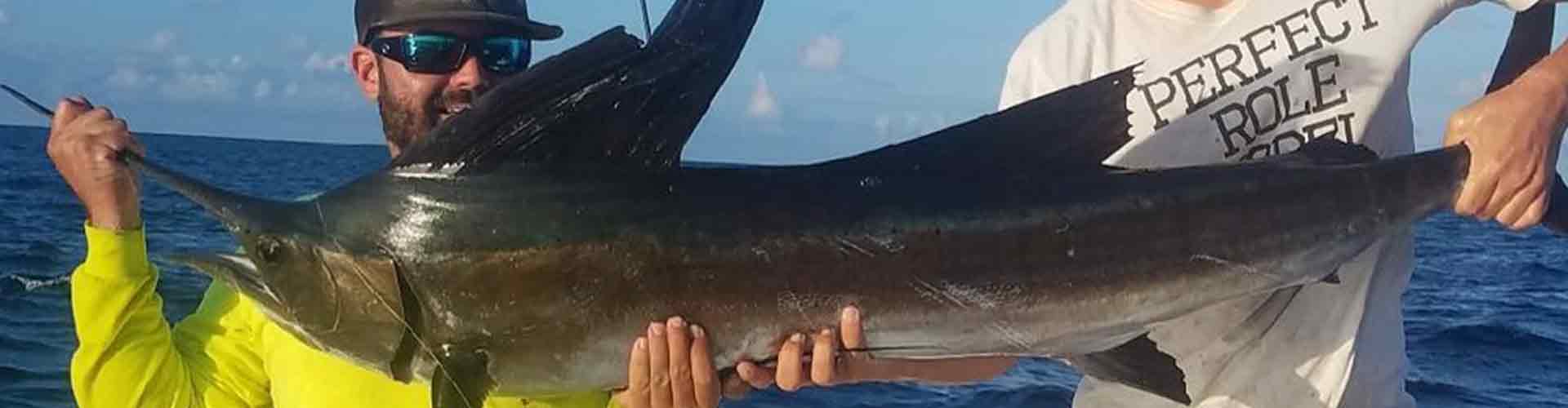
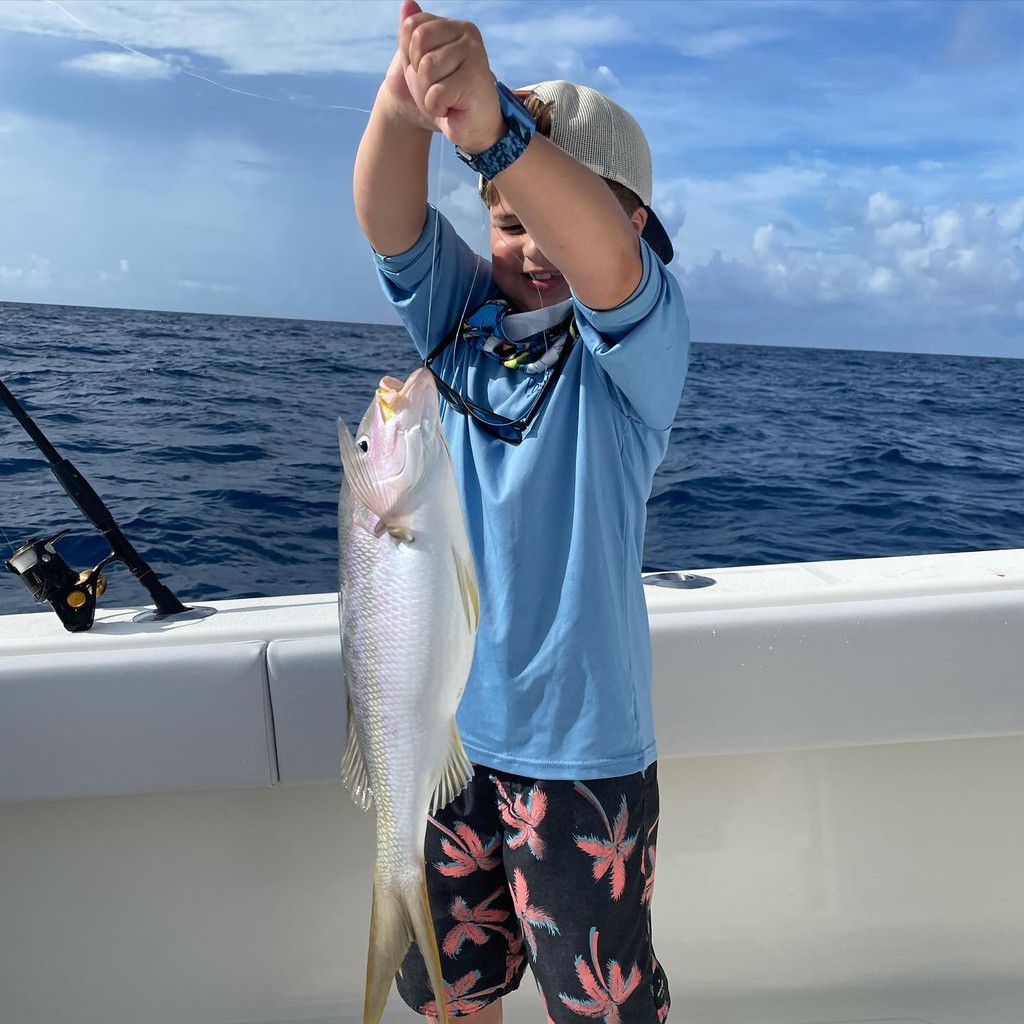
Key West sits at the edge of the Gulf and the Atlantic, which means the variety is insane. Depending on the season and where you fish, you might hook tarpon, grouper, snapper, mahi-mahi, kingfish, sailfish, or even sharks. Some species are catch-and-release only. Others you can keep if they meet size and bag limits.
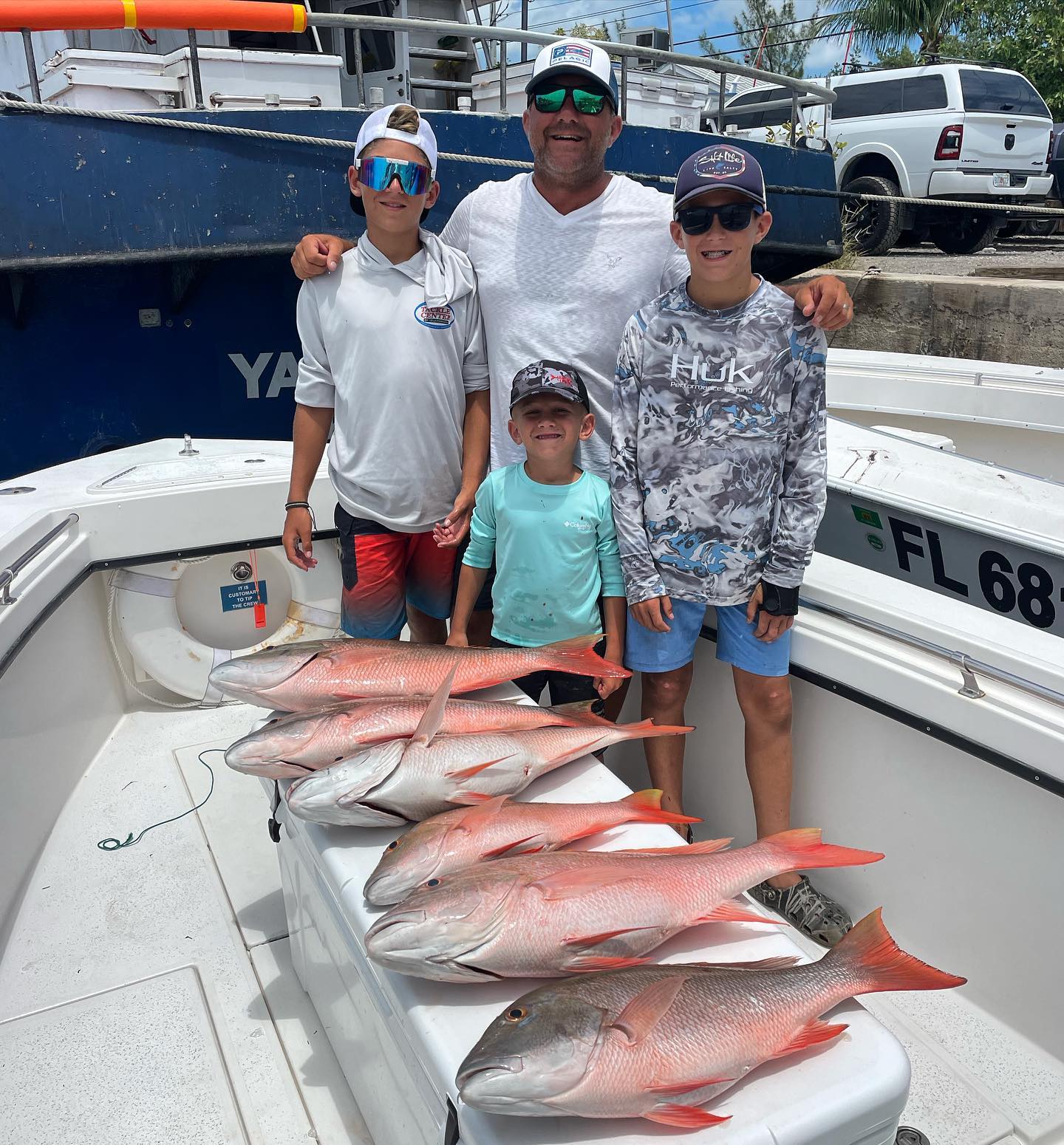
Your captain will tell you what's legal and what's not. If you land something worth keeping, most crews will clean and fillet it for you at the dock. A lot of restaurants in town will cook your catch for a small fee, which makes for a killer dinner story. But don't count on bringing home a cooler full of fish — some days the bite is hot, other days it's slow. That's fishing.
- Tarpon are a bucket-list fight but almost always released
- Mahi-mahi are fast, colorful, and great on the table
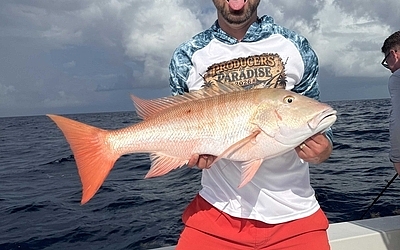
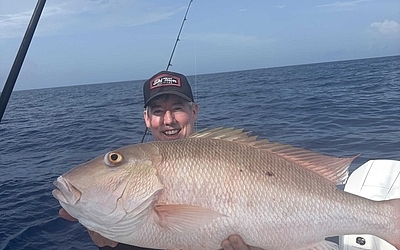
- Snapper and grouper are reef staples and taste incredible fresh
- Sailfish are offshore trophies and usually a catch-and-release deal
- Sharks show up when you least expect them and put up a serious battle
Getting the Most Out of the Trip
The best charters happen when you and the captain are on the same page. Tell them upfront if you're there for action or if you want to learn. If someone in your group gets seasick easily, mention it — they can adjust the route or stick closer to shore. And if the weather looks sketchy, don't push it. Captains will reschedule if conditions aren't safe.
Stay flexible. Some days the fish are everywhere. Other days you're grinding for a single bite. Either way, you're on a boat in Key West with cold drinks and open water. That's not a bad place to be. Bring patience, respect the crew's calls, and follow local regulations. If they say to release something, release it. The fishery depends on it.
- Communicate your skill level and expectations before you leave the dock
- Bring motion sickness meds if you're prone to it
- Listen to the crew's instructions and don't freelance with the gear
- Stay hydrated and take breaks in the shade when you need to
- Respect size limits and catch-and-release rules without argument
Wrapping Up at the Dock
When the trip's over, the crew will help offload your gear and handle your catch if you kept anything. Tipping is standard — fifteen to twenty percent of the charter cost is the norm, more if the crew went above and beyond. Take a minute to thank them and ask any lingering questions. Most captains are happy to give advice for next time or recommend other spots to check out while you're in town.
Booking your first Key West charter isn't complicated, but it does require a little homework. Show up ready, communicate clearly, and trust the people who do this every day. The fish might not always cooperate, but the experience will. And once you've spent a morning offshore with a rod in your hand and the horizon wide open, you'll understand why people keep coming back. For additional preparation tips, consider reading about successful charter strategies.
Ready to Make Your Key West Fishing Story?
We know how much a great day on the water means, and we're here to make sure your first charter is one you'll never forget. Let's plan your trip together, answer your questions, and get you set up for success. Give us a call at 305-849-3098 or book now to reserve your spot and start your adventure with us.
‹ Back
Recent Posts
-
Planning Your First Key West Fishing Charter? Here's What to Expect
October 28, 2026
-
How Long Should a Key West Fishing Charter Be?
October 14, 2026
-
How Much Does It Cost to Go Fishing in Key West for 4 Hours?
September 25, 2026
-

How Much Do You Tip for a 6 Hour Fishing Charter in Key West?
September 11, 2026
-
How Much Does a Fishing Charter Cost in the Keys?
August 28, 2026