

Where Do Key West Fishing Charters Go Offshore?
Most anglers think offshore fishing is just about distance. Head out far enough, drop a line, and wait. But captains know better — and if you don't, you're wasting daylight. Key West sits at the intersection of two oceans, a shelf drop, and some of the most productive blue water in the hemisphere. That geography isn't luck. It's leverage. And the charters that know how to use it are the ones bringing fish to the dock.
So here's the reality. If you're booking a trip expecting to drift around aimlessly, you've picked the wrong captain. Every offshore run has a target. Every destination has a purpose. And every mile you cover should be backed by current intel, seasonal patterns, and a crew that knows the difference between a reef edge and a temperature break.
Two Oceans, One Launch Point
Key West doesn't just touch the water — it splits it. The Gulf of Mexico rolls in from the north and west. The Atlantic pushes up from the south and east. That convergence creates feeding zones, current lines, and structure that pulls in everything from baitfish to billfish. The continental shelf drops fast here, meaning deep water isn't some mythical destination. It's a twenty-minute run.
This isn't about scenery. It's about access. The same boat that left the dock at sunrise can hit three different ecosystems before lunch. Shallow patch reefs, midrange wrecks, and blue water trenches — all within range. That's why fishing charters in Key West can offer variety without burning half the trip on travel time.
The Current That Changes Everything
The Gulf Stream doesn't meander — it rips. Ten to twenty miles south of Key West, this warm river of ocean pulls bait, predators, and opportunity straight through charter range. Captains don't just fish near it. They fish the edges, the color changes, and the upwellings where cooler water meets the flow. That's where the food chain stacks up.
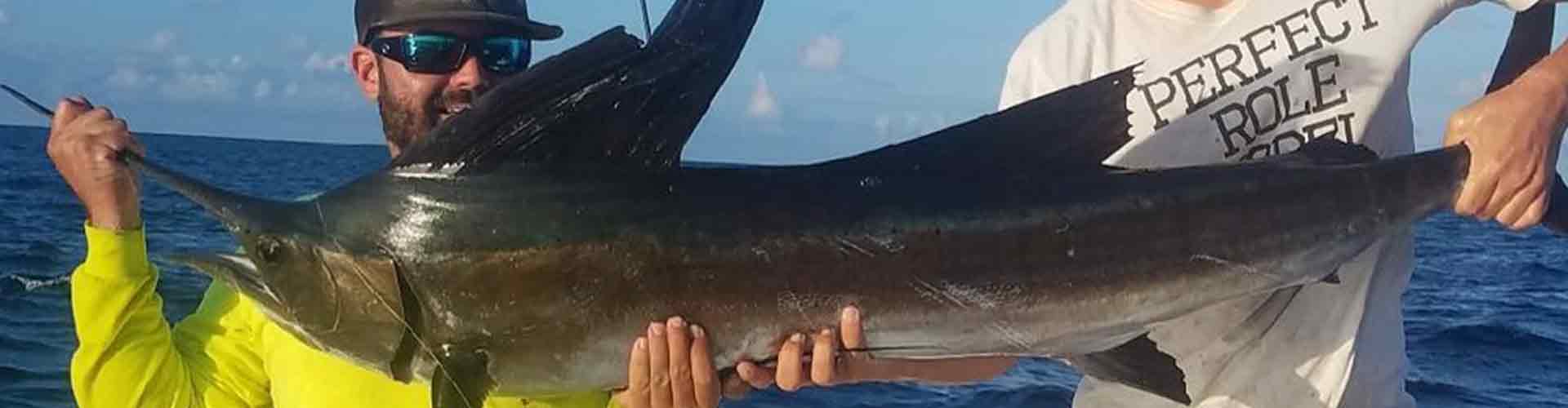
Pelagic species live in this zone. We're talking mahi that hit like freight trains, wahoo that strip drag in seconds, and tuna built for endurance. The Gulf Stream isn't a guarantee, but it's the first place serious offshore fishing charters check when conditions align. Miss the edge by half a mile and you're trolling open water with nothing to show for it.
Structure You Can't See on a Map
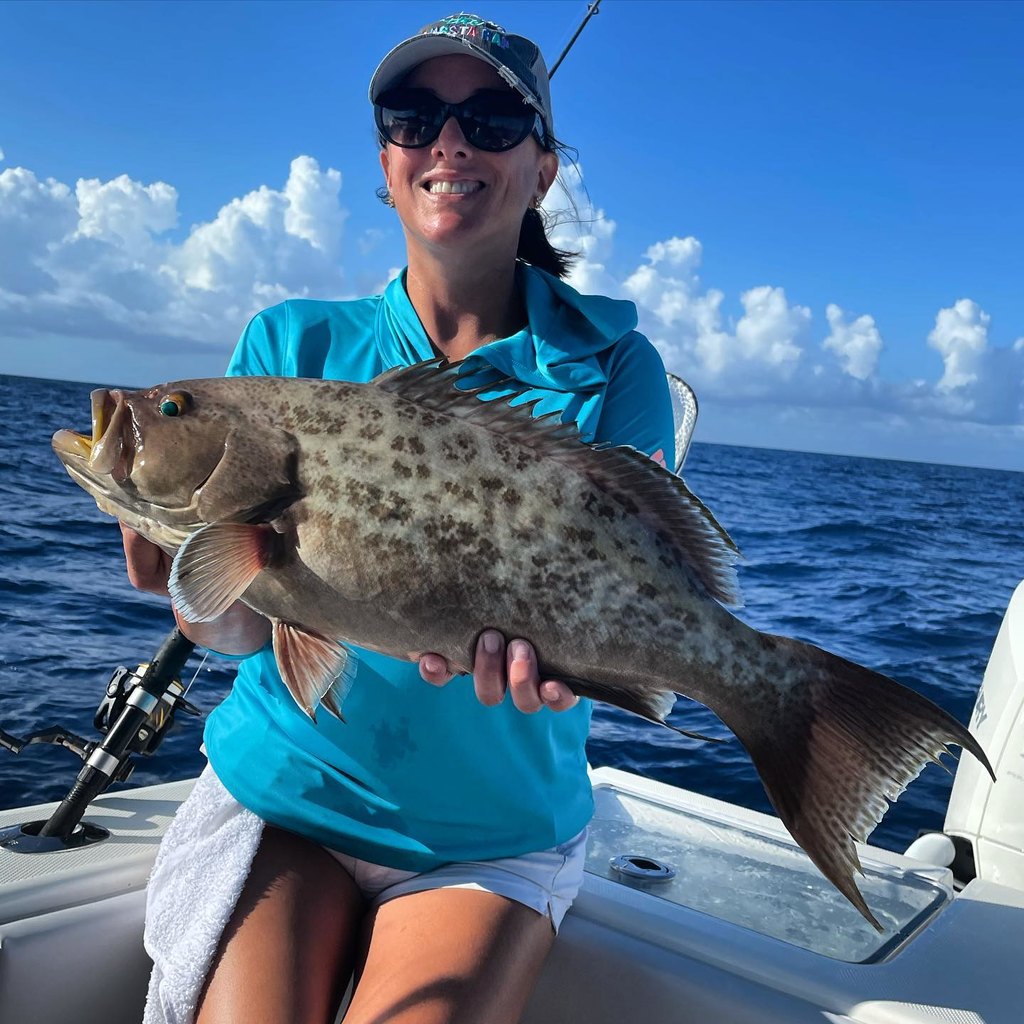
Reefs and wrecks don't advertise themselves, but they hold fish year-round. The Atlantic side of Key West is littered with natural coral formations and sunken vessels that create habitat for everything with fins. Grouper, snapper, amberjack, barracuda — they all use structure to hunt, hide, and reproduce. Charters that target these spots aren't guessing. They're working GPS marks, sonar readings, and tide windows.
Bottom fishing here isn't passive. You're dropping bait into current, fighting fish off the reef, and dealing with structure that can break you off in seconds. The best charters know which wrecks hold which species, which tides make them bite, and how to adjust when the bite slows. Exploring reef and wreck fishing isn't about luck. It's about repetition and records.
Remote Water Worth the Run
Some destinations require commitment. The Marquesas Keys sit roughly twenty miles west — a ring of islands surrounded by flats, channels, and open water. Charters heading there aren't just sightseeing. They're chasing permit, tarpon, and the kind of barracuda that make you rethink your tackle. The deeper zones around the atoll also hold pelagics when the season's right.
Further out — seventy miles west — the Dry Tortugas offer fishing that feels like another country. Crystal water, protected zones, and species diversity that rivals anything in the Caribbean. Not every charter offers this run. It's a full day minimum, weather-dependent, and reserved for crews with the range and experience to handle it. But for anglers who want untouched water and serious variety, a Dry Tortugas fishing charter is worth every nautical mile.
What Charters Actually Do Offshore
Technique matters as much as location. A good captain doesn't just take you to the fish — they adjust the approach based on what's biting and where. Offshore charters in Key West deploy multiple methods depending on target species and conditions.
- Trolling spreads with lures or rigged bait to cover water and trigger strikes from fast-moving pelagics
- Bottom rigs with heavy weights and circle hooks for reef species holding near structure
- Live bait presentations for sailfish, kings, and other predators that won't hit artificial
- Deep dropping with electric reels to pull up tilefish and deepwater grouper from several hundred feet
- Kite fishing when the surface bite is hot and visibility makes conventional trolling ineffective
The Variables Every Trip Depends On
No two offshore runs are identical. Weather shifts. Currents move. Bait migrations change weekly. The charters that produce consistently are the ones checking reports, monitoring satellite imagery, and talking to other captains before the lines ever hit the water. If your crew shows up without a game plan, you're already behind.
Wind direction can push bait onto certain reefs or blow it offshore entirely. Water temperature dictates whether pelagics are shallow or deep. Moon phase affects everything from snapper bite windows to tarpon activity. The best captains don't fight these variables — they use them. That's the difference between a slow day and a bent rod.
What You Should Expect Before You Book
Most offshore charters out of Key West run full-day trips. That's six to eight hours on the water, with travel time baked in. The boat provides rods, reels, tackle, bait, and licenses. The crew handles rigging, gaffing, and cleaning your catch. What you bring is effort, attention, and the willingness to listen when the captain tells you to reel faster or let it run.
Distance varies. Some days you'll fish twelve miles out. Other days it's fifty. The captain makes that call based on conditions, target species, and what's been producing. Flexibility wins. If you demand a specific spot regardless of weather or bite, you're limiting your own success. Trust the process or stay at the dock.
The Crew Separates Good Trips from Great Ones
Gear gets you to the fish. Knowledge gets you hooked up. But the crew keeps you in the game when things go sideways. A sharp mate can untangle a bird's nest in seconds, spot a color change before the captain does, and talk you through fighting a fish you've never seen before. That's not luck. That's experience on deck.
- Captains who know seasonal migrations and adjust destinations accordingly
- Mates who can rig live bait, set spreads, and gaff fish without losing them boatside
- Crews that communicate clearly about what's working and what's not
- Teams that clean and bag your catch properly so it's table-ready when you dock
- Operations that prioritize safety without cutting the fishing short
The Homework That Pays Off
You don't just show up and hope. Research the charter. Ask what species they target, where they've been fishing, and what their recent catch reports look like. If they can't answer or dodge the question, move on. The best operations post photos, share trip summaries, and back up their claims with documentation.
Check reviews from anglers who fished the same season you're booking. Summer patterns differ from winter runs. A charter that crushes it in May might struggle in November if they don't adjust. Look for consistency, not one-off hero shots. And make sure the boat is equipped for the range they're advertising. A twenty-six footer heading to the Tortugas in rough seas isn't confidence-inspiring.
When the Bite Moves, the Charter Should Too
Fish don't wait for you to catch up. Bait schools shift. Temperature breaks move overnight. A reef that produced yesterday might be dead today because the current changed. The charters that adapt are the ones that stay on fish. That means checking multiple spots, adjusting depth, and switching techniques when the first plan doesn't deliver.
Don't mistake stubbornness for patience. If the captain keeps trolling the same line for three hours with no bites, that's not dedication — it's denial. Good crews move, test, and pivot. They read the water, not just the GPS. And they're honest when conditions aren't cooperating instead of wasting your time pretending the bite's about to turn on.
Booking Smart Means Fishing Better
Key West offers offshore fishing that rivals anywhere in the world, but only if you choose the right charter and understand what you're paying for. Distance doesn't equal success. A crew that knows where to go, when to move, and how to put you on fish is worth every dollar. The ones that don't will burn your day and blame the weather.
We've seen thousands of anglers head offshore from Key West. The ones who come back with stories — and coolers — are the ones who did their homework, trusted experienced captains, and understood that offshore fishing is equal parts preparation and execution. The water's out there. The fish are too. The question is whether your charter knows how to connect the two.
Ready to Fish Smarter?
We know what it takes to turn a day offshore into a story worth telling. If you're ready to chase the bite with a crew that puts in the work before you ever step on board, let's make it happen. Call us at 305-849-3098 or book now and we'll get you set up for a Key West fishing trip you won't forget.
‹ Back
Recent Posts
-
Where Do Key West Fishing Charters Go Offshore?
November 11, 2026
-
Planning Your First Key West Fishing Charter? Here's What to Expect
October 28, 2026
-
How Long Should a Key West Fishing Charter Be?
October 14, 2026
-
How Much Does It Cost to Go Fishing in Key West for 4 Hours?
September 25, 2026
-

How Much Do You Tip for a 6 Hour Fishing Charter in Key West?
September 11, 2026