

Do Morning or Afternoon Fishing Charters in Key West Fish Better?
Most anglers think timing is just about convenience. Pick a slot, show up, cast a line. But the fish don't care about your schedule — and if you ignore theirs, you're setting yourself up for a slow day. Morning and afternoon charters both put you on the water, but they don't fish the same. Different species move at different hours. Tides shift. Light changes. And what worked at dawn might fall flat by three o'clock.
So here's the reality. If you're booking a fishing charter in Key West to actually catch something worth talking about, you need to think beyond what fits your itinerary. Every hour on the water has a rhythm. Every target has a window. And every decision should be grounded in what the fish are doing — not just what sounds good on paper.
When the Sun Comes Up, So Do the Fish
Nine times out of ten, morning charters outperform afternoon trips. The water's cooler, the seas are calmer, and predators are hunting. Tarpon, snapper, and barracuda feed hard at first light, using low visibility to corner baitfish. The IRS doesn't regulate fishing windows, but Mother Nature does — and she's not flexible.
But if conditions flip? Different story. A strong incoming tide in the afternoon can turn the flats into a feeding frenzy. Permit and bonefish that ignored your morning presentation might crush it when the water warms up. We've seen this play out in real time with experienced captains. Plenty of anglers thought morning was a guarantee — it wasn't. And when the bite shuts down early, you're left wishing you'd booked the later slot.
The Species You Can Target
You can't just pick a time and expect every fish to cooperate — that's not how it works. But the right window? That's often the difference between a full cooler and a long ride back.
Here's where timing matters most:
- Tarpon: Early morning is prime time. They're aggressive at dawn and tend to go deep once the sun climbs.
- Permit and bonefish: These flats dwellers often feed better as the day warms up, especially during midday tides.
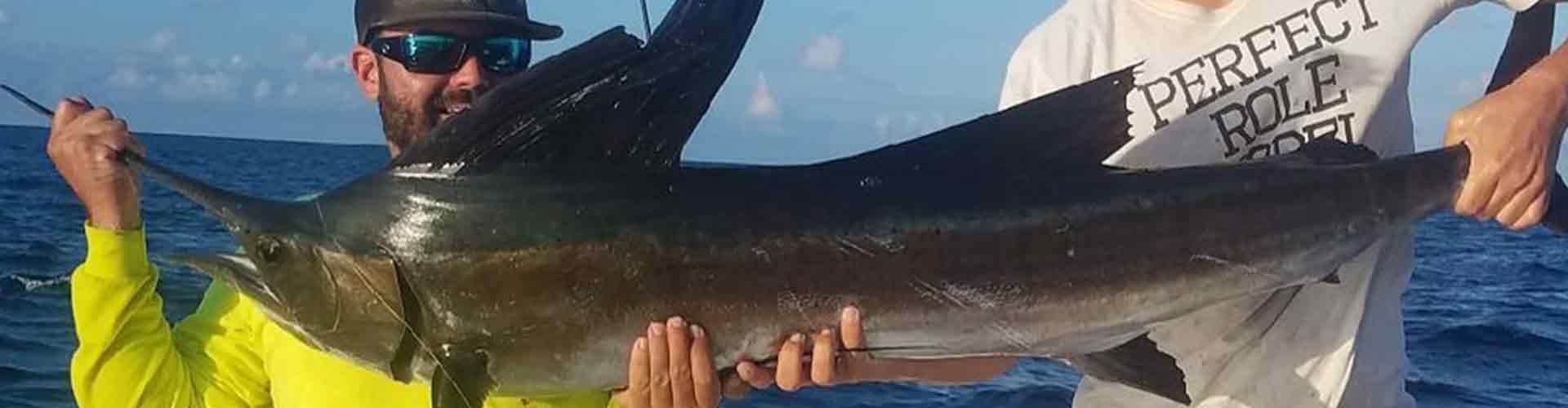
- Mahi-mahi and sailfish: Pelagic species can hit all day, but afternoon surface temps sometimes bring them up from the depths.
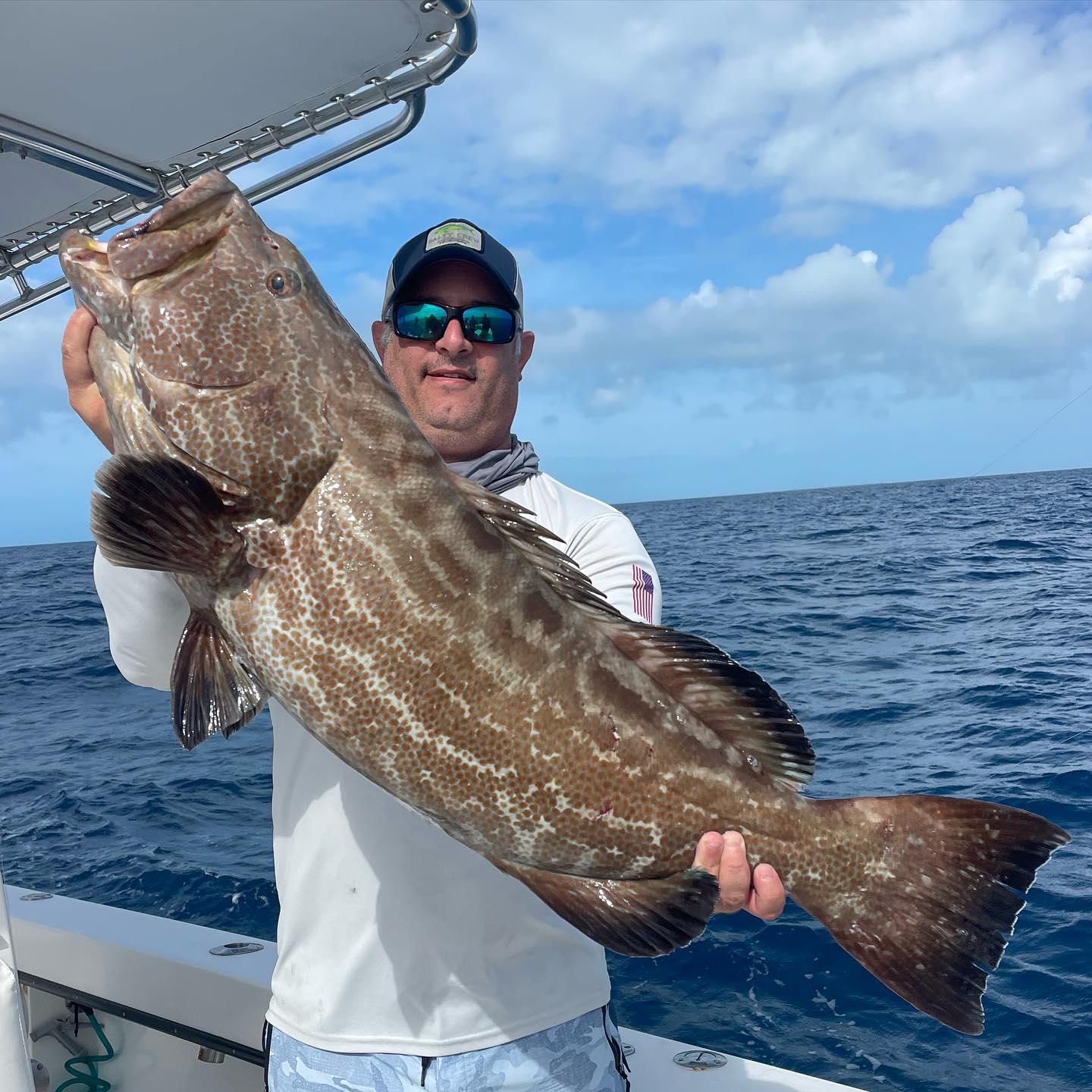
- Snapper and grouper: Structure fishing works morning or afternoon, but early trips let you hit multiple spots before the crowds arrive.
- Sharks: These aren't picky about the clock. Chumming works whenever you've got the bait and the patience.
When the Afternoon Window Opens
Want to sleep in and still catch fish? You'll need the right conditions — and a captain who knows how to read them.
Afternoon charters shine when:
- Tides peak later in the day, pushing bait onto the flats or around structure
- Water temps rise enough to activate species that stay sluggish in the cool morning hours
- You're targeting pelagics that roam offshore and don't follow a strict dawn schedule
Miss one of those factors, and the afternoon advantage disappears. Even if the boat leaves on time and the weather's perfect. And if the morning bite was strong? That portion's already gone. No second chances for the fish that fed at sunrise.
The Crowds You'll Deal With
Morning trips get you out before the fleet descends. Key West is a magnet for anglers, and the best spots fill up fast. By the time afternoon charters reach prime water, the morning boats have already worked it over.
You'll need to be strategic if you're fishing later. Your captain should know backup locations and be ready to move quickly. Most experienced guides won't waste time fighting for space — but those who do need to adjust tactics on the fly.
Your Success Depends on More Than the Clock
Want to maximize your catch? Show up prepared. You'll need more than a reservation to make the most of your charter.
Here's what your planning should include:
- A conversation with your captain about target species and recent bite patterns
- Tide charts for the day you're fishing — some species only feed during specific movements
- Weather forecasts that account for wind, cloud cover, and water clarity
- Realistic expectations based on the season and what's actually running
If you skip the homework, you're gambling. Mixing personal preference with actual fish behavior is one of the fastest ways to book the wrong trip. So if you want tarpon but you're fishing a neap tide at two in the afternoon, you'd better have a backup plan.
Where Most Anglers Get It Wrong
Booking based on convenience alone is a mistake. The fish don't care that you wanted to sleep in or that your flight lands at noon. Sloppy timing decisions cost you real opportunities and can turn a great destination into a mediocre outing.
Don't wait until you're on the boat to ask what's biting. If you miss the morning window on a species that only feeds at dawn, you're giving away your best shot. If you book afternoon without checking the tides, you risk dead water and slow action. Check conditions early. It's boring. It works.
When the Tides Trump the Time
If tides are moving hard in the morning, that's your window. If they're stacked for late afternoon, that's when you fish. The clock matters, but the current matters more.
A strong incoming tide can turn the flats into a buffet, pulling bait and predators together regardless of whether it's eight in the morning or four in the afternoon. Reference your tide app and don't guess. That's what experienced captains are for.
Captains Know More Than You Do
If your fishing plan includes multiple species, changing conditions, or anything weather-dependent, you're in territory where guessing gets expensive.
A good captain helps you:
- Identify which time slot gives you the best shot at your target species
- Adjust tactics if conditions shift mid-trip
- Separate tourist advice from actual local knowledge
- Handle equipment, bait, and technique so you focus on fishing
- Keep you on fish even when the bite slows down
It's not just about booking a boat. It's about setting up a trip that actually delivers what you came for — and that means listening to someone who fishes these waters every single day.
Timing Matters, But So Does Everything Else
Choosing between morning and afternoon isn't the hard part. Matching that choice to the tides, the species, and the season — that's where anglers get caught off guard. There's no excuse for booking blind when the information is there for the taking. But there's also no forgiveness when you ignore what the water's telling you.
Morning charters give you first crack at active fish, calm seas, and open water. Afternoon trips offer flexibility, warmer conditions, and sometimes a second feeding window that morning anglers miss entirely. Neither is wrong. But one is probably better for what you're actually trying to catch — and the only way to know is to ask the right questions before you book your charter. Whether you're interested in offshore fishing charters, exploring reef and wreck fishing, or planning a Dry Tortugas fishing charter, understanding the timing and conditions will make all the difference in your success on the water.
Let’s Plan Your Best Day on the Water
We know every angler wants more than just a boat ride—they want a story to tell. Let’s work together to match your trip to the tides, the bite, and the real Key West experience. If you’re ready to make your next fishing charter count, call us at 305-849-3098 or book now and we’ll help you land the trip you’ve been waiting for.
‹ Back
Recent Posts
-
How Long Should a Key West Fishing Charter Be?
October 14, 2026
-
How Much Does It Cost to Go Fishing in Key West for 4 Hours?
September 25, 2026
-

How Much Do You Tip for a 6 Hour Fishing Charter in Key West?
September 11, 2026
-
How Much Does a Fishing Charter Cost in the Keys?
August 28, 2026
-
What Is the 80/20 Rule in Fishing in Key West?
August 14, 2026