

What Is the 90/10 Rule in Key West Fishing?
Most anglers think fishing is about covering water. Cast wide, move often, hope something bites. But the best captains in Key West will tell you otherwise. Fish don't spread out evenly across the ocean. They cluster. And if you're not fishing where they actually are, you're just burning fuel and wasting time.
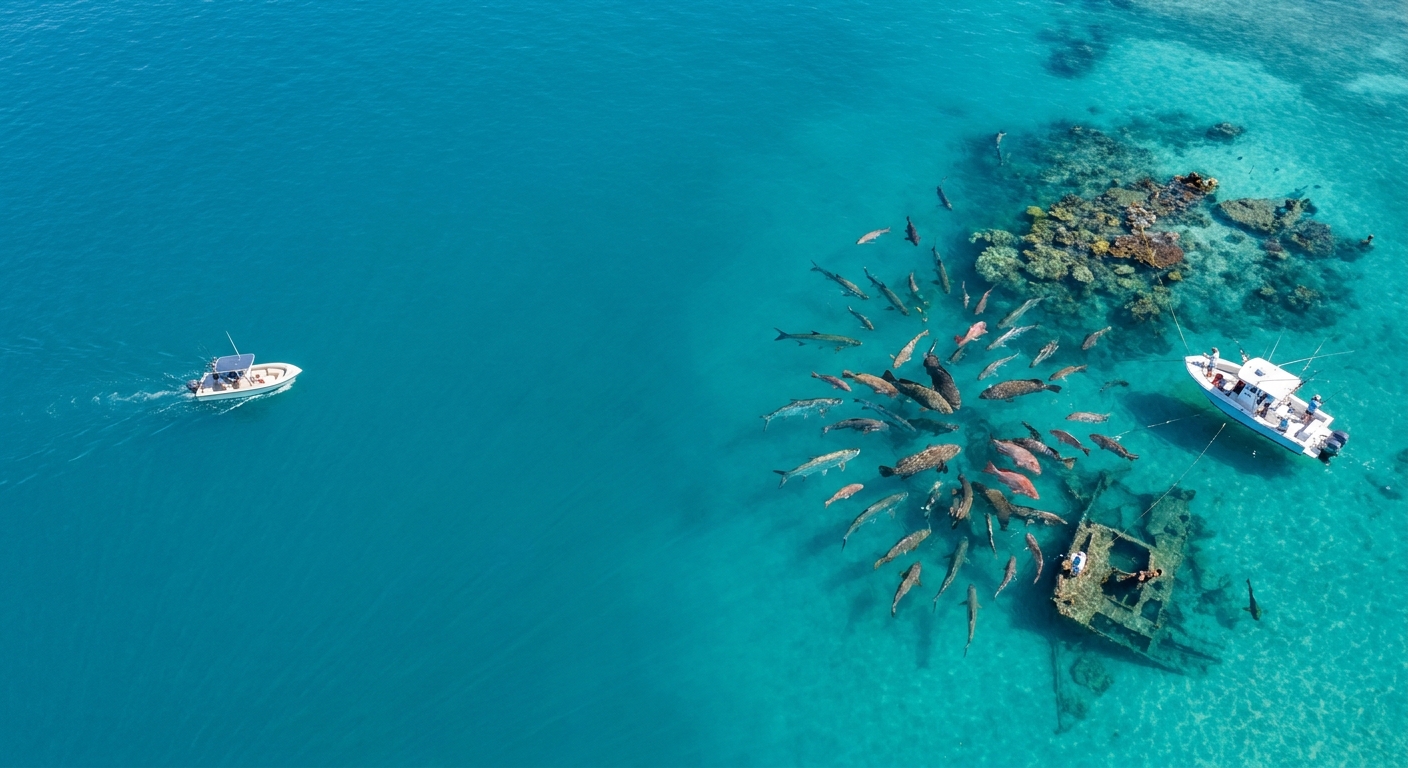
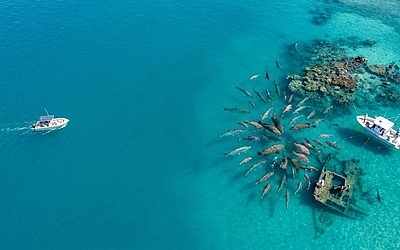
The 90/10 Rule cuts through the guesswork. It says that ninety percent of the fish are packed into just ten percent of the water. That's not a rough estimate — it's how predators behave. They go where the food is, where the current breaks right, where structure offers cover. Everything else? Empty water with a nice view.
The Math Behind the Fish
This isn't some dock legend passed around over beers. It's pattern recognition backed by years of charter logs, marine biology, and plain old repetition. Fish are opportunistic. They don't swim aimlessly hoping to stumble into a meal. They post up in places that deliver consistent results — reefs that funnel baitfish, drop-offs that create ambush points, channels where tides push shrimp and crabs into the current.
In Key West, that means certain flats, certain wrecks, certain edges of mangrove cuts. The water looks the same from the surface, but underneath? Totally different story. Temperature layers shift. Bottom composition changes. Bait moves in and out with the tide. The fish follow the script. Your job is to read it before you even rig a line.
Why Most People Fish the Wrong Ninety Percent
It's easy to fall into the trap of thinking every spot has potential. You see water, you see depth, maybe you see some birds in the distance. So you drop a line and wait. And wait. And eventually you move on, convinced the bite just wasn't happening that day.
But here's the truth — the bite was happening. Just not where you were. The fish were stacked somewhere else, feeding hard, and you missed it because you didn't narrow your focus. We've seen it a hundred times. Anglers who refuse to move off a spot because it "looks good" or because they caught something there last year. Meanwhile, the productive zone is a quarter mile away and lighting up.
What Actually Puts You in the Ten Percent
Finding that narrow slice of water where fish concentrate isn't about luck. It's about recognition. You need to know what signals matter and which ones don't. Structure is huge. So is bait presence. So is tide timing. But none of those factors work in isolation.
- Reefs and wrecks create vertical relief that attracts smaller fish, which in turn attract bigger predators
- Grass flats near deep channels give fish easy access to feeding zones and quick escape routes
- Mangrove edges trap bait on falling tides and create natural feeding lanes
- Temperature breaks and current seams concentrate plankton, which draws the entire food chain
- Birds diving or circling aren't just a nice photo op — they're marking active baitfish schools
How the Tide Changes the Equation
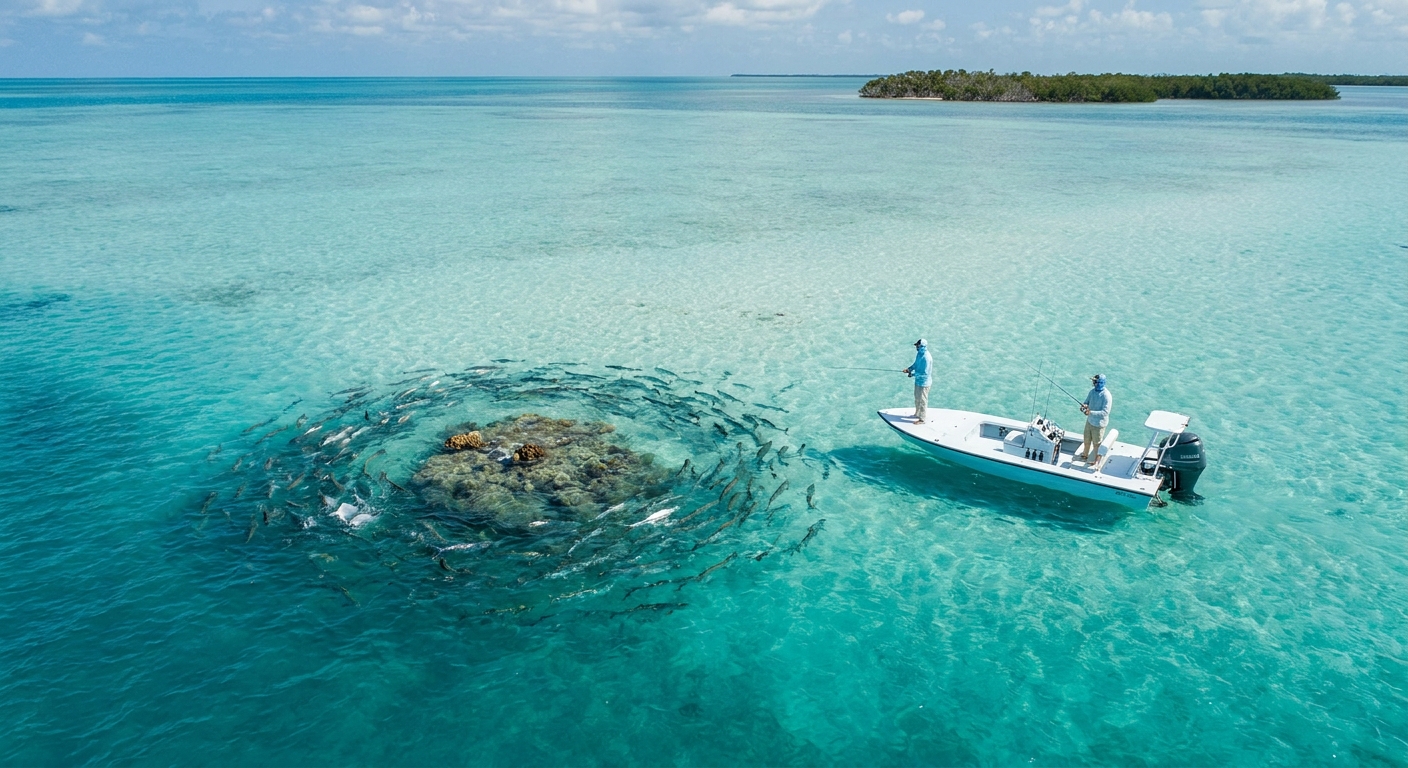
A spot that's dead on a slack tide can turn into a feeding frenzy two hours later when the water starts moving. In Key West, tides dictate almost everything. They determine whether bait gets pushed onto the flats or pulled off into deeper water. They control visibility, current speed, and oxygen levels. A reef that holds nothing at low tide might stack tarpon at the top of the flood.
So if you're fishing the same spot at the same time every trip and wondering why results vary, tides are usually the answer. The fish didn't disappear — they just moved to a different part of that ten percent. And if you're not adjusting with them, you're back in the ninety.
Reading the Water Before You Wet a Line
We don't just pull up to a random mark and start casting. There's a process. Check the wind. Check the current. Look for nervous water or bait flipping. Scan for diving birds or cruising rays. All of that tells you whether fish are present and active — or whether you need to keep moving.
- Surface disturbances often indicate feeding activity or bait being pushed up from below
- Color changes in the water can reveal depth transitions, grass beds, or sand-to-rock shifts
- Slicks on the surface sometimes mark where fish have been feeding and releasing oils
- Temperature differences show up on electronics and can guide you to where gamefish are holding
- Current direction tells you which side of structure will likely hold more fish
When You Should Pack It In and Relocate
We give a spot thirty minutes, maybe forty-five if conditions look right but the bite hasn't turned on yet. After that? We're gone. Sitting on dead water hoping it comes alive is how you waste a morning. The 90/10 Rule isn't just about finding fish — it's about not spending hours where they aren't.
If you're getting no bites, no follows, no bait activity, and no visual confirmation, move. Don't second-guess it. Don't convince yourself the next cast will be different. The fish are somewhere else, and the faster you accept that, the faster you get back into productive water.
Mistakes That Keep You in the Ninety
Anglers sabotage themselves in predictable ways. They anchor up because a spot worked last month. They ignore tide charts. They fish structure without checking if bait is actually there. Or they chase rumors instead of reading conditions in real time.
- Fishing a reef just because it's marked on your GPS, even when there's no bait or current
- Staying put after twenty fishless casts because "it has to turn on eventually"
- Ignoring bird activity or baitfish schools in favor of a pre-planned route
- Using the same lures or baits without adjusting to what's actually in the water that day
- Overlooking small environmental cues like water clarity shifts or temperature changes
Local Knowledge Beats Trial and Error Every Time
Charter captains don't guess. They've fished the same waters for years and know which spots produce under which conditions. They understand seasonal patterns, lunar phases, and how weather systems shift fish behavior. That's not something you pick up in a weekend. Local experts who run fishing charters in Key West have spent thousands of hours on the water identifying exactly where that productive ten percent sits under different tides, wind patterns, and moon phases.
If you're serious about applying the 90/10 Rule, spend time with people who already know where that ten percent is. Ask questions. Pay attention to what they're watching. Notice when they move and why. That education is worth more than any tackle or electronics upgrade. Whether you're targeting pelagics on offshore fishing charters or working structure on reef and wreck trips, understanding where fish concentrate saves hours of unproductive drifting.
Efficiency Over Effort
Fishing harder doesn't mean fishing smarter. You can spend twelve hours on the water and catch nothing if you're planted in the wrong spot. Or you can spend three hours in the right zone and limit out. The difference isn't effort — it's recognition. Captains who run Dry Tortugas fishing charters apply this principle constantly, knowing that the remote waters around the national park hold massive concentrations of fish — but only in specific areas where current, structure, and bait align.
The 90/10 Rule forces you to think before you fish. It makes you selective, intentional, and willing to move when the signs aren't there. That's what separates consistent anglers from frustrated ones. And in Key West, where the water is deep and the fish are everywhere — and nowhere — that focus is everything. Successful anglers who understand tips for a successful Key West fishing charter know that pattern recognition and strategic positioning matter far more than random casting, and they apply those lessons whether they're fishing the flats around Key West or exploring waters near Islamorada.
Let’s Put the 90/10 Rule to Work for You
We know that finding the right water makes all the difference between a slow day and a story-worthy catch. If you’re ready to fish smarter and experience the best of Key West, let’s plan your next trip together. Call us at 305-849-3098 or Book Now to get started—we’ll make sure you’re fishing where it counts.
‹ Back
Recent Posts
-

How Much Do You Tip for a 6 Hour Fishing Charter in Key West?
September 11, 2026
-
How Much Does a Fishing Charter Cost in the Keys?
August 28, 2026
-
What Is the 80/20 Rule in Fishing in Key West?
August 14, 2026
-
What Is the 90/10 Rule in Key West Fishing?
July 31, 2026
-
What Is the Best Fish to Catch in Key West?
July 17, 2026